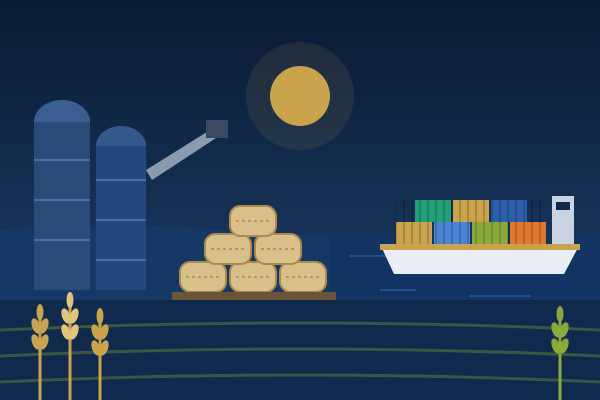
Agricultural commodities travel long distances and spend weeks at sea. A successful export depends on agreeing the right specification and protecting quality from the supplier to the buyer's warehouse.
1. Agree the specification and terms
Start with the product, grade, moisture and purity limits, quantity, packing, price basis (Incoterms) and destination. Agreeing a sample at this stage avoids disputes at delivery.
2. Source and check quality
Stock is sourced from suppliers that can meet the specification. Samples are checked, and many buyers ask for inspection by their own team or an independent agency before shipment.
3. Pack for the journey
Packing depends on the product and route: bags or bulk, lined containers for moisture, and fumigation where required. Labels follow the buyer's and the destination country's rules.
4. Prepare the documents
A typical shipment carries a commercial invoice, a packing list and a certificate of origin. Many agricultural goods also need a phytosanitary certificate, and buyers may ask for quality or fumigation certificates. Requirements vary by product and country, so confirm them before booking.
5. Move it to port and ship it
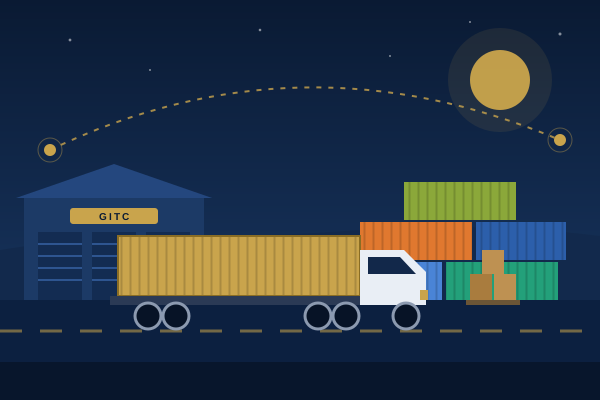
Containers are stuffed and sealed, trucked to the port, and loaded for sea freight. Our logistics department handles the inland transport and coordinates with shipping lines and forwarders.
Importing into India
The same steps run in reverse for imports: specification, supplier checks, shipping, customs clearance through partner brokers, and delivery to your warehouse.
Email your requirement to sales@globalinfratechcorporation.com with product, grade, quantity and destination.